
Horse Welfare at Aintree: Safety Changes and Statistics
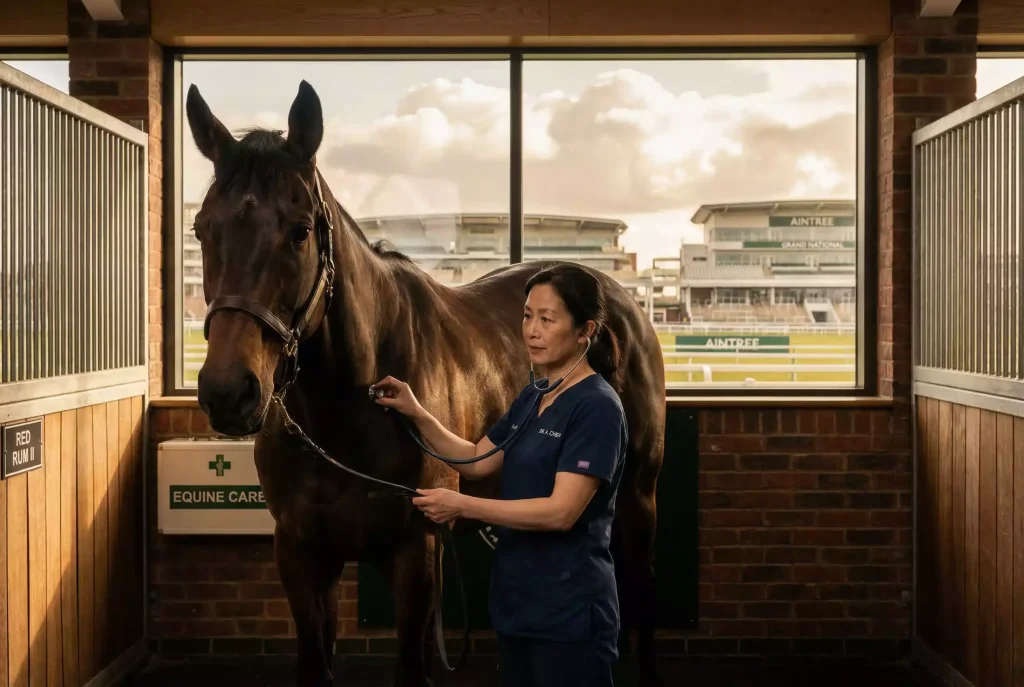
Horse welfare at the Grand National generates more public discussion than any other aspect of British racing. The debate often generates more heat than light, with strong opinions on both sides obscuring the facts about what actually happens at Aintree and how the race has evolved to prioritise safety.
The facts on safety deserve examination without politics or rhetoric. What does the data show about fatality rates? What changes have been implemented? How does the Grand National compare to other racing? Understanding these questions helps form informed views rather than relying on headline impressions.
Racing authorities, welfare organisations, and Aintree itself have worked to reduce risk while preserving the race’s essential challenge. The balance between tradition and welfare shapes ongoing decisions. Neither dismissing concerns nor abandoning the race represents a reasonable position. The middle ground involves continuous improvement based on evidence.
Fatality Statistics
The British Horseracing Authority recorded 158 equine fatalities from 87,619 starts across all British racing in 2023, producing a fatality rate of 0.18% according to BHA data reported by BloodHorse. This figure includes flat racing, jump racing, and all levels from maiden races to Grade 1 championships. The Grand National falls within this broader context.
Over the ten Grand Nationals from 2014 to 2023, five horses died either during the race or as a result of injuries sustained during it. With an average of 38 runners per race before the field reduction, that represents approximately 380 participations. The fatality rate for this specific race sits around 1.3%, higher than British racing’s overall average but reflecting the unique demands of four miles over thirty fences.
The period from 2013 to 2018 produced six consecutive Grand Nationals without a single equine fatality. This streak demonstrated that the race could be run safely with appropriate measures in place. What changed during that period included fence modifications, improved ground management, and stricter entry criteria ensuring only suitable horses competed.
Context matters when interpreting these statistics. The Grand National’s distance and obstacle count create challenges that shorter, simpler races don’t pose. Comparing fatality rates between a two-mile hurdle race and a four-mile steeplechase obscures meaningful differences in what horses are asked to do. The question isn’t whether the Grand National is as safe as a flat sprint, which it obviously isn’t, but whether risk has been reduced to acceptable levels given the race’s nature.
Fatalities that do occur receive significant media attention, which shapes public perception. A horse dying at a local point-to-point meeting might go unreported beyond racing circles. The same outcome at the Grand National makes national news. This attention asymmetry means the Grand National’s safety record faces scrutiny that other races avoid, regardless of comparative statistics.
2026 Safety Changes
The most significant recent change reduced the Grand National field from a maximum of 40 runners to 34 starting in 2026. Fewer horses mean less congestion at fences, particularly on the first circuit when the field remains bunched. The reduction directly addresses risks associated with horses being brought down by fallers or finding insufficient room to jump.
Fence modifications have continued throughout recent years. Landing areas at Becher’s Brook have been levelled to reduce the severity of the drop that historically caused problems. The fence cores have been softened, using materials that give way more readily when horses brush through. Take-off and landing surfaces receive careful preparation to ensure consistent footing.
Entry criteria now require horses to demonstrate specific credentials before being accepted for the Grand National. Horses must have completed satisfactorily over fences at certain levels. Those without adequate experience over steeplechase obstacles cannot enter, reducing the field to horses that have proved they can jump. Theoretical ability doesn’t suffice; demonstrated competence is mandatory.
Veterinary presence at Aintree has expanded significantly. Teams positioned around the course can reach any location within minutes. Modern treatment capabilities mean horses that fall or sustain injuries receive immediate attention. What was once a wait for veterinary assistance is now near-instantaneous response.
The starting procedures have been refined to reduce the rush that historically caused early-fence carnage. Starters aim to get the field away cleanly, without the scrimmaging that creates problems when forty horses charge at the first fence simultaneously. Fewer runners and calmer starts reduce pressure that caused unnecessary incidents.
Ongoing Improvements
The BHA continues developing safety initiatives that apply to the Grand National and jump racing broadly. As the BHA stated in its Jump Changes Briefing, the authority recognised that “action was needed to help develop our novice chasers” while also addressing welfare concerns. This acknowledgement of areas requiring improvement demonstrates ongoing commitment rather than complacency.
Research into fence design continues. Materials scientists work with racing authorities to identify constructions that test horses appropriately while minimising injury risk when contact occurs. The fences of 2026 differ from those of 2016, which differed from those of 2006. Evolution happens gradually but consistently.
Ground management has become increasingly sophisticated. Course managers monitor conditions throughout Festival week, adjusting watering and drainage to maintain optimal going. The Grand National rarely runs on extremes of firm or heavy ground that historically caused problems. Consistent conditions help horses and jockeys prepare for what they’ll face.
Jockey education emphasises welfare considerations. Riders are trained to pull up horses showing signs of distress rather than pushing them to complete the course regardless. The culture has shifted from winning at all costs toward recognising when withdrawal serves the horse’s interests. This change reflects broader attitudes within racing that prioritise the animals themselves.
Post-race monitoring ensures horses receive appropriate care after competing. Veterinary checks identify issues that might not be immediately apparent. Horses that have fallen or made errors receive particular attention. The responsibility doesn’t end when the race finishes; it extends to ensuring every participant recovers properly.
Viewing Responsibly
Punters and viewers can engage with the Grand National while acknowledging welfare realities. Supporting licensed British and Irish racing means supporting the regulatory framework that enforces welfare standards. Unlicensed or overseas operations may not apply equivalent protections.
Understanding what you’re watching helps. The Grand National tests horses at the edge of their capabilities. That’s what makes it compelling. Risk cannot be eliminated entirely without eliminating the race itself. Accepting this tension allows honest engagement rather than pretending either that everything is fine or that the race is unconscionable.
Welfare improvements have come partly from public pressure. Viewers who care about horse safety and express those concerns constructively contribute to ongoing evolution. Racing authorities have responded to public opinion by implementing changes that make the sport safer. That conversation continues.
If incidents occur during viewing, they’re handled by professionals following established protocols. Modern race coverage doesn’t dwell on distressing scenes. Veterinary teams respond immediately. The focus shifts to horses still competing and to ensuring any affected animals receive appropriate care. Viewers see less trauma than historical coverage showed because production practices have evolved alongside welfare practices.
The Grand National will continue generating debate. Informed debate, grounded in statistics and acknowledging both improvements and ongoing challenges, serves better than polarised positions that ignore evidence. The race has adapted throughout its history and will continue adapting. Supporting that evolution, rather than demanding either preservation or abolition, represents the most constructive engagement.