Aintree Betting Guide 2026
 Available in US
Your complete guide to betting on the 2026 Grand National. Compare bookmaker odds, master each-way strategies, and discover data-driven selection methods for Britain's biggest race.
Start ReadingAintree betting reaches its peak every April when approximately 250 million pounds flows through bookmaker platforms during Grand National weekend. This single race generates more wagering activity than any other sporting event on the planet, surpassing both the Super Bowl and the UEFA Champions League final in global betting turnover. For British punters, the Grand National represents more than a horse race. It is the annual ritual that transforms casual observers into bettors, sparks office sweepstakes from Edinburgh to Plymouth, and dominates pub conversations for weeks before the first horse reaches Becher's Brook.
The numbers behind Aintree betting tell a compelling story. According to an OLBG/YouGov survey from 2025, approximately 17% of UK adults planned to place a wager on the Grand National, though this figure represented a 5% decline from previous years. Economic pressures have reshaped betting behaviour, with 30% of punters stating they would stake less due to inflation and rising energy costs. Yet the race retains its cultural grip. Over three-quarters of those planning to bet described Grand National wagering as an integral part of British tradition.
What makes Aintree betting unique is its accessibility. Data from Entain Group reveals that 30% of Grand National bettors are either placing their first wager, making their first deposit, or returning after a year-long absence. This influx of recreational punters creates a market unlike any other in racing. The average stake hovers around five pounds, the atmosphere is festive rather than clinical, and the 34-runner field offers value opportunities that professional handicaps rarely provide.
This guide approaches Aintree betting with data at its core. Rather than relying on tipster hunches or promotional hype, every recommendation draws from verified statistics, historical trends, and market analysis. The 2026 edition arrives at a pivotal moment for the race. Safety modifications introduced in 2024 reduced the field from 40 to 34 runners, fundamentally altering betting dynamics and place-term calculations. Irish trainers continue to dominate the results, with Willie Mullins delivering a historic 1-2-3 finish in 2025 that left British yards searching for answers.
Whether you are placing your first flutter or refining a strategy built over decades, understanding the mechanics behind Aintree betting separates informed decisions from hopeful punts. The sections that follow dissect each-way value, analyse weight and form trends, compare bookmaker offerings, and construct a framework for approaching the 2026 renewal with confidence rather than crossed fingers.
What Smart Punters Know Before Backing the National
- The Grand National generates approximately 250 million pounds in betting turnover, making it the world's largest single-race wagering event.
- Each-way betting dominates, with 74-75% of wagers placed this way. Compare bookmaker place terms, as offers range from four to seven places.
- Favourites win just 20% of Grand Nationals. Target horses priced 7/1 to 25/1 carrying 10-13 or less.
- Irish trainers have won six of the last eight renewals. Willie Mullins achieved a historic 1-2-3 finish in 2025.
- The average stake is 5.42 pounds. Modest wagers with disciplined selection outperform hopeful punts on long odds.
What Is the Grand National
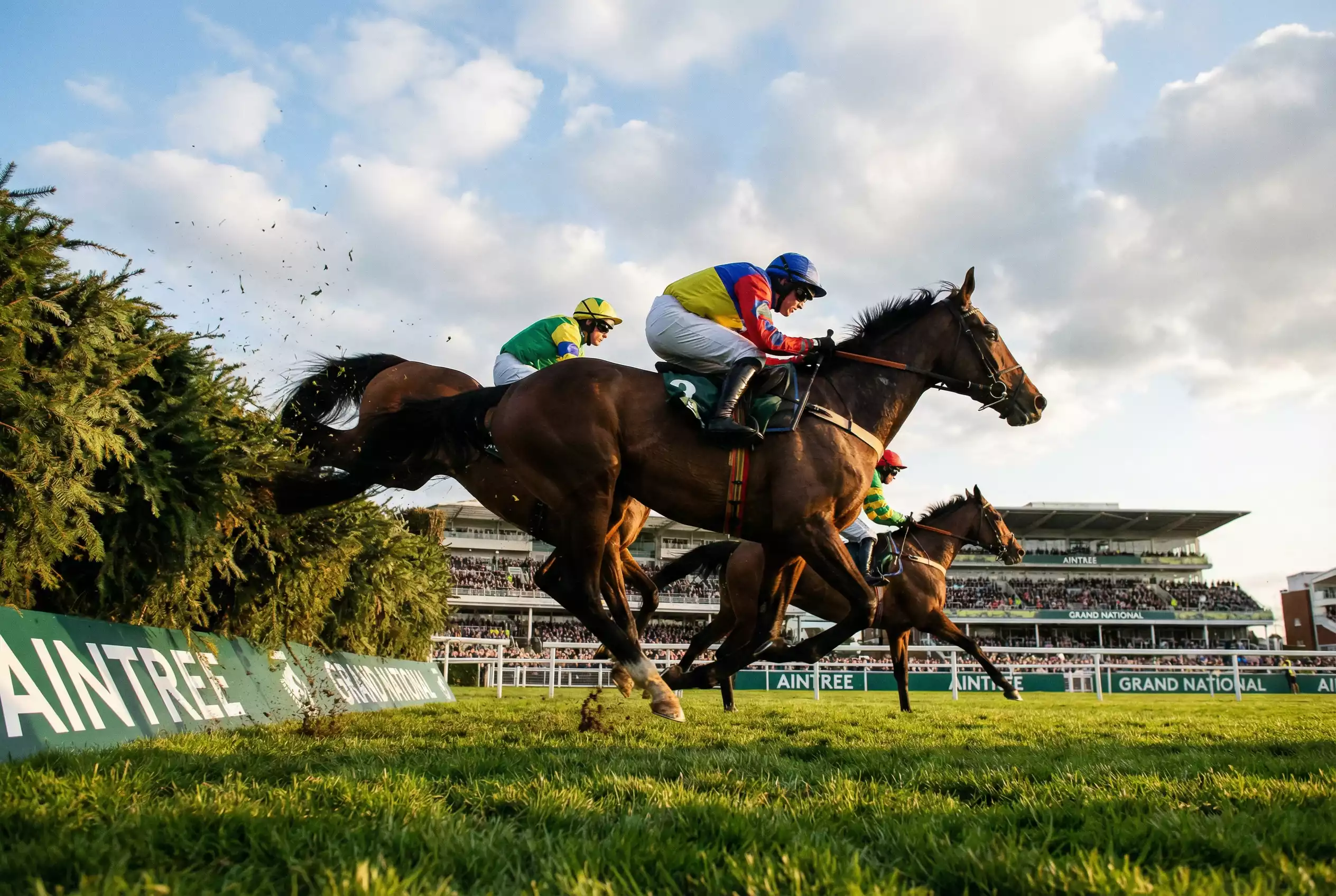
The Grand National has tested horse and rider since 1839, when a field of 17 runners contested the inaugural race at Aintree. Nearly two centuries later, the event has evolved into the most watched and wagered-upon horse race on earth. The race covers four miles and two-and-a-half furlongs across the Grand National Course, a left-handed circuit featuring 30 fences that include some of the most demanding obstacles in steeplechasing. Sixteen of these fences are unique to the course, with the remaining 14 jumped twice as horses complete two full circuits before the finish.
The 2024 season brought significant structural changes to the race. The British Horseracing Authority reduced the maximum field from 40 to 34 runners, a modification designed to improve safety margins at the early fences where congestion had historically caused problems. This reduction has direct implications for betting markets. A smaller field concentrates prize money and alters each-way calculations, though the race remains one of the most competitive handicaps on the calendar.
Television coverage transforms the Grand National into a national event. According to grandnational.org, the 2025 race attracted a peak UK television audience of 5.2 million viewers on ITV, dwarfing figures for other prestigious races. For comparison, the Cheltenham Gold Cup drew 1.8 million viewers while the Epsom Derby managed 1.3 million. This audience gap reflects the Grand National's unique position as appointment television for households that otherwise ignore racing entirely.
The global reach extends further. Industry estimates suggest that between 500 and 600 million viewers tune in across more than 140 countries, making the Grand National one of the most-watched annual sporting events worldwide. ITV holds broadcast rights through 2030, ensuring free-to-air coverage continues for British audiences. The combination of terrestrial television access and cultural familiarity explains why so many first-time bettors choose this race as their entry point into wagering.
The race format creates conditions that favour specific horse profiles. Weight allocations range from 10 stone to 11 stone 10 pounds, with the handicapper attempting to give every runner a theoretical chance. Stamina is paramount over the demanding distance, while jumping ability separates contenders from casualties at the iconic fences. Ground conditions vary significantly, with spring weather in Liverpool ranging from firm turf to waterlogged going within the same week.
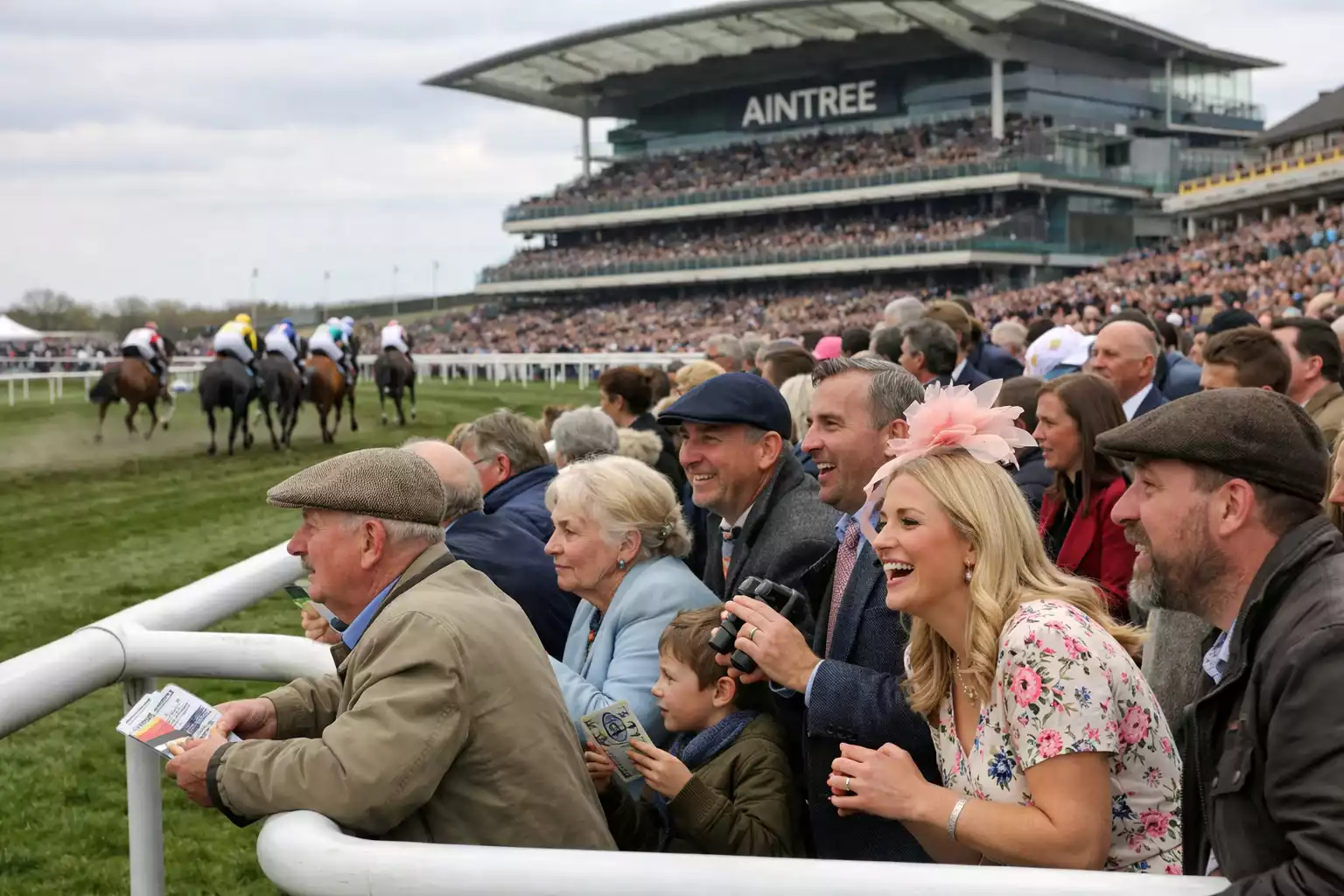
Each renewal writes its own narrative. Red Rum's three victories in the 1970s established the modern template for Grand National legend. Tiger Roll's back-to-back wins in 2018 and 2019 demonstrated that dominance remained possible in the contemporary era. Rachael Blackmore's victory aboard Minella Times in 2021 drew 8.8 million viewers, the highest figure in recent years, as she became the first female jockey to win the race. These moments transcend betting slips. They enter sporting folklore, which is precisely why millions who never place a wager in any other context find themselves studying form guides every April.
The Economic Footprint of Grand National Weekend
The Grand National Festival delivers a substantial economic boost to Liverpool and the surrounding region. Research conducted by Liverpool John Moores University's Business School quantified the 2022 Festival's impact at 60.4 million pounds for the Liverpool City Region. Of this figure, 44.6 million represented direct spending by visitors on accommodation, hospitality, retail and entertainment. The remaining 17.8 million reflected indirect benefits rippling through the local economy as businesses invested their Festival earnings into wages, supplies and services.
"We found that the influx of spectators leads directly to over 40 million pounds of spending," noted the LJMU research team. "This is a massive boost to key local sectors, particularly hospitality and entertainment, which we would not see without the pull of the festival. Nearly 50% of the total economic effect is down to those who attend Grand National Day."
Approximately 150,000 people attend the three-day Festival, with around 120,000 unique visitors contributing to the regional economy. Dickon White, Regional Director for the North West at The Jockey Club, has repeatedly emphasised the community dimension. "We've recently done an economic impact study which was absolutely fantastic," he stated in interviews with ITV News Granada. "It brings over 60 million pounds of benefits to the local area and it's not just about Aintree. It's about the local bars, the restaurants, the nightclubs, the hairdressers, the barbers, who all benefit from this fantastic event."
The Festival's economic contribution extends beyond visitor spending. The Jockey Club, which operates Aintree Racecourse, reported group-wide turnover of 244.3 million pounds in 2024, a 3% year-on-year increase. Executive prize money contributions totalled 29.7 million pounds across all Jockey Club venues, with Aintree's Grade 1 contests commanding premium purses that attract top-class horses from Britain and Ireland. This investment creates a virtuous cycle. Better prize money draws stronger fields, stronger fields attract larger audiences, and larger audiences generate increased betting turnover from which the Horserace Betting Levy Board funds further industry development.
Types of Bets Available on the Grand National
The Grand National accommodates every betting approach, from straightforward win wagers to exotic multiples that require precise finishing order predictions. Understanding these options is the first step toward identifying where value lies in the 2026 market.
Win Bets
A win bet is the simplest proposition. You select a horse, stake your money, and collect returns only if that horse crosses the finish line first. With 34 runners contesting the race, win betting on the Grand National carries inherently long odds. Even the market favourite typically trades around 7/1 or longer, reflecting the competitive nature of the handicap. Win betting suits punters with strong convictions about a specific contender, but most recreational bettors find greater appeal in each-way alternatives.
Each-Way Betting
Each-way betting dominates Grand National wagering. According to grandnational.org, approximately 74-75% of all bets placed on the race are each-way. An each-way wager consists of two equal stakes: one on your selection to win, another on your selection to place. The place terms vary by bookmaker, typically paying out if your horse finishes in the first four, five, six or seven positions depending on the promotion.
Data from Entain underlines the accessibility of Grand National betting. A remarkable 82% of cash bets placed at Coral and Ladbrokes shops during the 2024 renewal carried stakes of five pounds or less. Less than 1% of wagers exceeded twenty pounds. This distribution confirms the event's character as recreational entertainment rather than high-stakes gambling. Nearly half of total turnover comes from bets of five pounds or under, a proportion far higher than other major racing events like the Cheltenham Gold Cup.
Ante-Post Betting
Ante-post markets open months before the race, offering superior odds in exchange for accepting non-runner risk. If your selection fails to make the final field due to injury, poor form or trainer decision, you forfeit your stake entirely. Some bookmakers offer Non-Runner No Bet promotions that mitigate this risk on Grand National ante-post wagers. These deals typically activate closer to the race, often after weights are published in February or following the Cheltenham Festival.
Forecast and Tricast Bets
Forecast betting requires you to predict the first two finishers in exact order. Tricast betting extends this to the first three. The Grand National's unpredictability makes these wagers extremely difficult to land, but the potential returns are correspondingly enormous. When one trainer does manage to fill multiple places, tricast payouts can be transformative, though landing such bets on a 34-runner handicap remains firmly in the realm of fortune rather than judgement.
Combination forecasts and tricasts cover multiple permutations, increasing your stake accordingly. A reverse forecast covers both possible orderings of two horses, doubling your outlay. A combination tricast covers all six possible orderings of three horses, multiplying your stake by six. These approaches spread risk at the cost of reduced returns per unit staked.
Specials and Novelty Bets
Bookmakers offer extensive special markets during Grand National week. You can bet on jockey silk colours, horse name characteristics, nationality of the winning trainer, and finishing positions within subsets of the field. These markets appeal to casual bettors seeking entertainment value beyond pure form analysis. Survey data indicates that 51% of Grand National bettors choose their horse primarily by name rather than racing merit, making specials markets a natural fit for this audience.
Multiple Bets
Accumulators, Lucky 15s and other multiples allow punters to combine Grand National selections with picks from other Festival races or Saturday's broader racing programme. Bookmaker bonus offers on multiples can enhance returns, though the fundamental mathematics of accumulators favour the house over extended periods. Treating multiples as entertainment rather than investment remains the prudent approach.
The dominance of each-way betting in Grand National wagering merits closer examination. Understanding the mechanics and maximising place terms separates informed punters from those who leave value on the table.
Each-Way Betting: The Grand National Sweet Spot
The mechanics of each-way betting are straightforward once understood, though the differences between bookmaker terms can significantly affect your potential returns.
How Each-Way Works
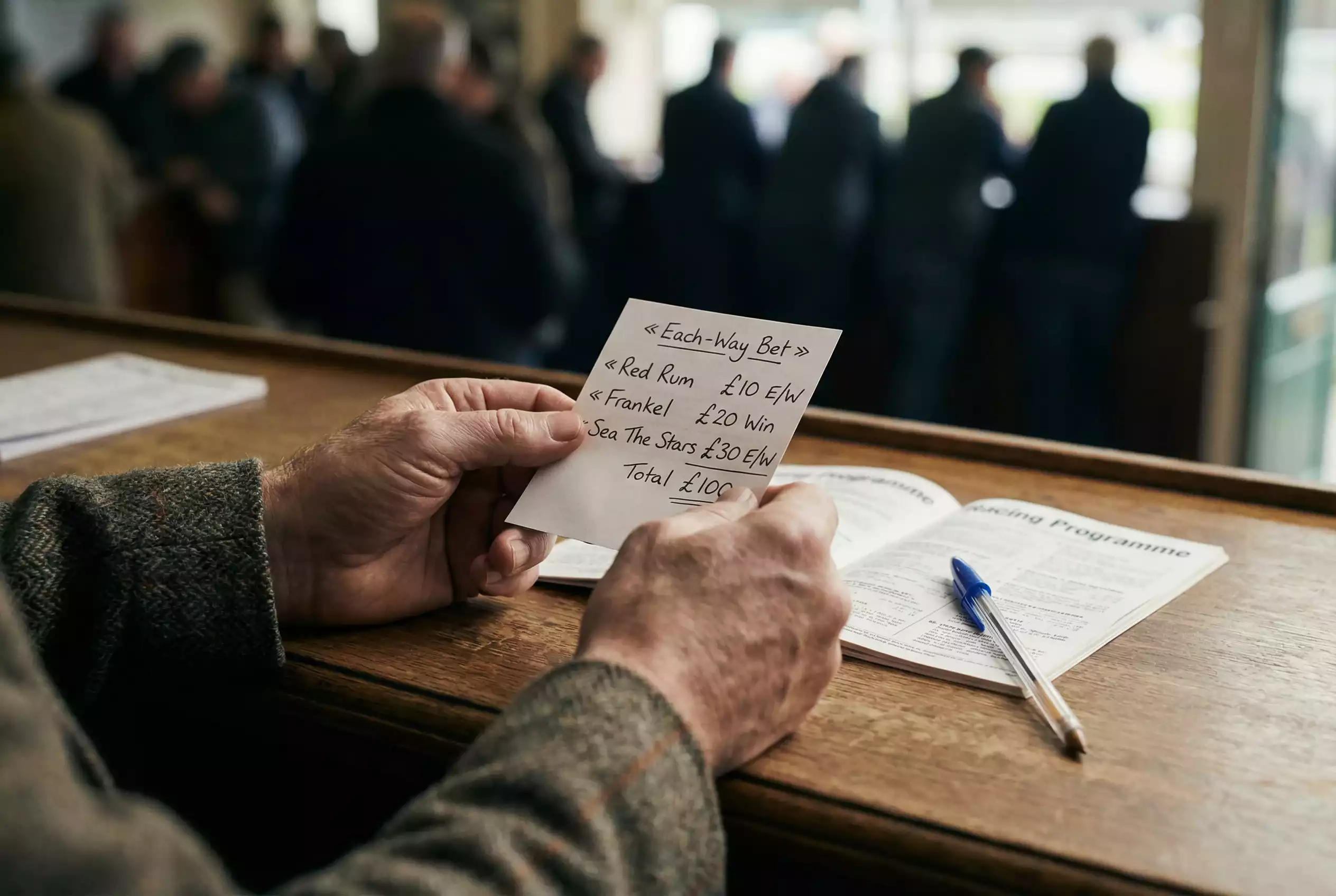
An each-way bet is two bets in one. Your total stake is divided equally between a win bet and a place bet. If your horse wins, both portions pay out. If your horse places but does not win, you lose the win stake but collect on the place portion at a fraction of the odds. The place fraction is typically one-fifth or one-quarter of the win odds, depending on the bookmaker and the number of places they are paying.
Consider a practical example. You place ten pounds each-way on a horse at 20/1 with a bookmaker paying four places at one-fifth the odds. Your total stake is twenty pounds: ten pounds for the win, ten pounds for the place. If the horse wins, you receive 210 pounds from the win bet plus 50 pounds from the place bet, totalling 260 pounds. If the horse finishes second, third or fourth, you lose the win stake but collect 50 pounds from the place portion.
Data from OpenBet shows the average win and each-way stake on the 2024 Grand National was 5.42 pounds. This figure reflects the recreational nature of the betting audience while demonstrating that modest stakes can still generate meaningful returns when each-way terms are maximised.
Place Terms Comparison
Bookmaker place terms vary significantly for the Grand National. The industry standard offers four places at one-fifth the odds, but promotional enhancements can extend this to five, six or even seven places. According to Racing Post analysis, Betfred uniquely offers seven places on Grand National each-way bets, a substantial edge over competitors paying four.
The value of additional places compounds as you move down the field. A horse finishing seventh represents a complete loss with a four-place bookmaker but a return with Betfred. On outsiders at long odds, this difference can determine whether your betting day ends in profit or loss. Comparing terms before placing significant each-way wagers should be standard practice for any informed punter.
Calculating Each-Way Returns
Selection: Horse at 25/1
Stake: 5 pounds each-way (10 pounds total)
Bookmaker terms: 5 places at 1/5 odds
If horse wins: Win bet returns 130 pounds (5 x 25 + 5 stake). Place bet returns 30 pounds (5 x 5 + 5 stake). Total: 160 pounds.
If horse finishes 2nd-5th: Win bet loses. Place bet returns 30 pounds.
If horse finishes 6th or worse: Both bets lose. Loss: 10 pounds.
When Each-Way Delivers Value
Each-way betting works best at longer odds. On a 3/1 shot, the place return barely exceeds your stake, offering minimal consolation for a narrow defeat. At 20/1 or beyond, the place portion becomes a meaningful outcome in its own right. The Grand National's inherently competitive field pushes most contenders into the double-digit price range, making each-way the natural betting approach.
The 34-runner field further enhances each-way appeal. With more than 30 horses competing, the probability of your selection placing increases relative to smaller-field handicaps. Extended place terms from bookmakers paying five, six or seven places amplify this advantage. Strategic punters target bookmakers offering the most generous terms, recognising that an extra two or three places can transform a losing afternoon into a profitable one.
Comparing Odds and Bookmakers for Grand National 2026
The Grand National attracts intense bookmaker competition, creating opportunities for punters who compare odds and promotional terms before committing their stakes. With dozens of licensed operators vying for Grand National custom, price differences and promotional enhancements can materially affect returns.
Best Odds Guaranteed
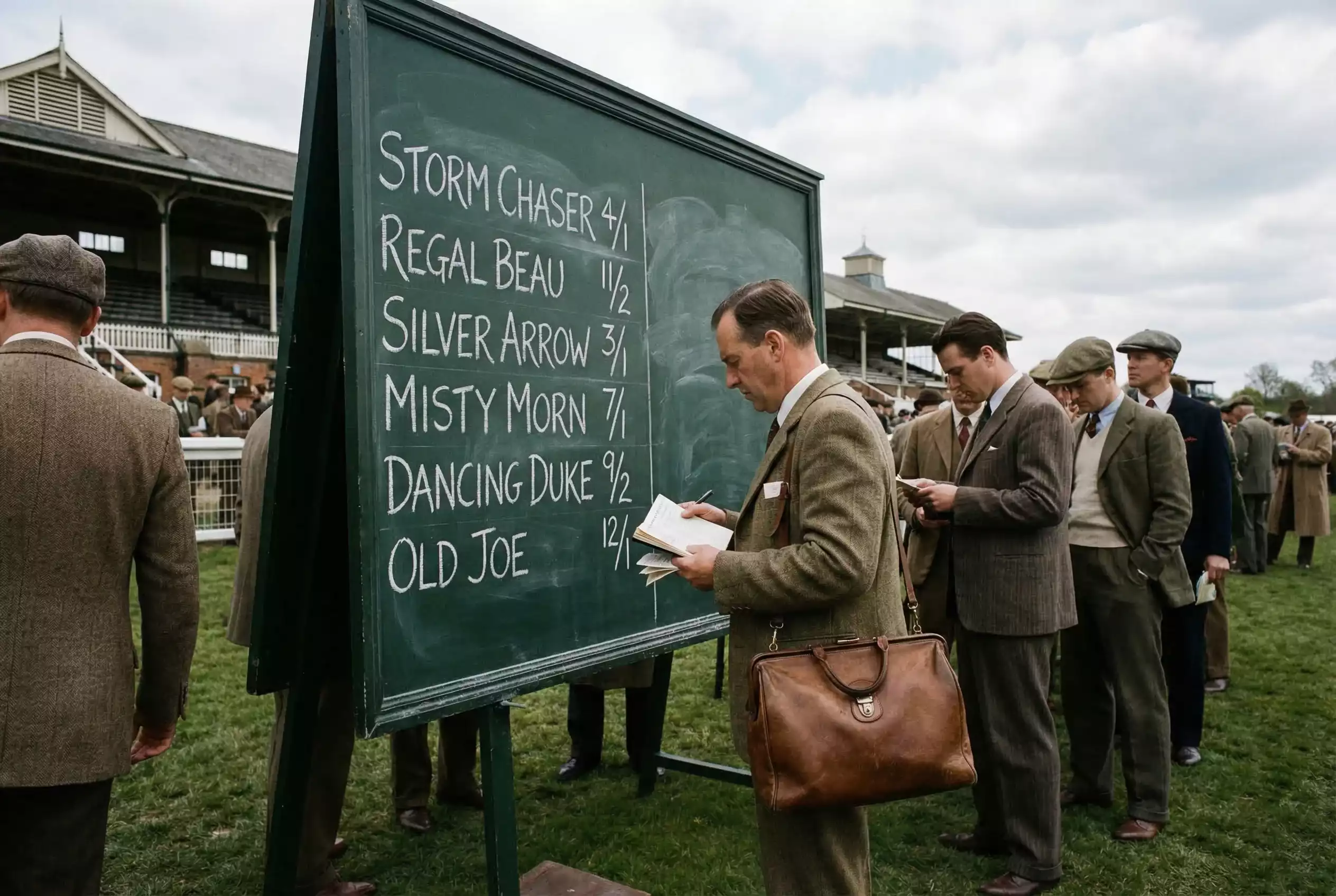
Best Odds Guaranteed policies protect you against price movements after placing your bet. If you back a horse at 16/1 in the morning and the starting price drifts to 20/1, a BOG bookmaker pays you at the higher price. This guarantee removes the timing dilemma that otherwise affects race-day betting decisions. Most major bookmakers offer BOG on Grand National day, though terms and conditions vary. Some exclude ante-post bets entirely. Others cap maximum payouts at specific levels. Reading the fine print before backing your selection ensures you benefit from the guarantee without nasty surprises.
Place Terms by Bookmaker
Each-way place terms represent the most significant variable in Grand National bookmaker selection. The standard offering pays four places at one-fifth the odds, but promotional enhancements push this higher.
| Bookmaker Tier | Typical Places Offered | Place Fraction |
|---|---|---|
| Enhanced (Betfred) | 7 places | 1/5 odds |
| Extended promotions | 5-6 places | 1/4 or 1/5 odds |
| Industry standard | 4 places | 1/5 odds |
Betfred's seven-place offer stands alone in the market. For punters backing outsiders who might finish in the fifth, sixth or seventh position, this difference determines whether the bet returns anything at all. The value compounds on longshots where the place fraction of a 33/1 shot returns meaningful money.
Live Streaming and In-Play Betting
Several bookmakers stream ITV Racing coverage through their platforms, allowing customers to watch while tracking their bets. Account requirements and minimum bet thresholds apply at most operators. In-play betting during the Grand National offers limited practical value given the race duration and the difficulty of assessing positions during a 34-runner chase. Cash-out options, however, allow punters to secure partial returns before the finish if their selection holds a promising position.
New Customer Offers
Grand National week triggers aggressive sign-up promotions. Free bet offers, enhanced odds on selected runners, and money-back specials proliferate across the market. These promotions can provide genuine value for new accounts, though wagering requirements and minimum odds conditions affect their practical benefit. Punters opening accounts specifically for Grand National betting should compare welcome offers alongside ongoing place terms, as the long-term relationship with a bookmaker matters more than a single promotional bet.
Mobile and App Experience
Race-day betting increasingly occurs on mobile devices. App performance during peak betting periods can affect your ability to place wagers at desired prices. The 2024 Grand National saw 101,000 peak bets per minute processed across betting platforms, a 21% increase from 2023. Bookmakers with robust mobile infrastructure handle this demand smoothly. Others experience slowdowns precisely when punters most need reliable service. Testing your preferred app before Grand National day avoids frustration during those crucial pre-race minutes.
The volume of betting on this single race exceeds anything else in the British calendar. "The Grand National and the Super Bowl are cultural phenomena that transcend sports and are annual traditions for recreational customers," noted Greg Ferris, Managing Director of Sports at Entain. Bookmakers recognise this significance by extending their most generous promotional terms to Grand National weekend, making thorough comparison unusually rewarding for engaged punters.
Grand National Trends That Shape Smart Betting
Historical data provides a framework for Grand National selection that transcends gut feeling. While the race defies easy prediction, certain trends recur with sufficient consistency to guide informed betting decisions.
The Favourite Fallacy
Blindly backing the market favourite offers poor long-term value. According to bet365 analysis, favourites have won just 10 of the last 50 Grand Nationals, a success rate of 20%. The most common winning price across that sample is 7/1, suggesting that second and third favourites often represent better value than the market leader. Backing every favourite at starting price over a 50-race sample would produce significant losses despite those 10 victories.
This data does not mean avoiding favourites entirely. It means recognising that the market concentrates too much confidence on single horses in a race where randomness plays an outsized role. Favourites lose 80% of the time. Building a strategy that depends on them winning is mathematically unsound.
The Winning Price Range
While favourites disappoint, extreme outsiders rarely deliver either. The same bet365 data reveals that 38 of the last 50 Grand National winners were priced at 25/1 or shorter. The sweet spot sits between 7/1 and 20/1, where horses possess sufficient ability to compete while still offering returns that justify the risk.
Punters chasing 100/1 longshots point to Mon Mome in 2009 and Foinavon in 1967 as proof that miracles happen. They do. But building a betting approach around events that occur once per generation produces predictable losses in the intervening decades.
Weight Matters
The handicap system assigns weight to equalise the field, yet certain ranges correlate strongly with success. Data from Geegeez shows that 25 of the last 33 Grand National winners carried 10 stone 13 pounds or less. Horses burdened with top weights face the dual challenge of carrying more while competing against fresher rivals who have received weight concessions.
This trend reflects stamina demands as much as handicapping quirks. Over four miles and two-and-a-half furlongs, every additional pound compounds fatigue through the closing stages. Lower-weighted horses with proven stamina credentials consistently outperform their more burdened rivals.
Irish Dominance
The statistics on trainer nationality are stark. Nine of the last 20 Grand National winners emerged from Irish yards, with six of the last eight carrying Irish training credentials. Many Clouds, trained by Oliver Sherwood, remains the last British-trained winner from 2015. Willie Mullins' historic 1-2-3 finish in 2025 amplified a trend that has defined the race for a decade.
"We were in a great position going into the Grand National and thought even if Willie won it we were still in a pretty good spot," reflected British trainer Dan Skelton after that result. "But he sent out the first, second and third, so there's not a lot you can do apart from take your hat off to him and just say 'wow'."
The Irish advantage reflects superior National Hunt breeding, intensive jumping schooling methods, and a concentration of talent among a handful of elite trainers. Punters who ignore trainer nationality do so at their statistical peril.
Building a Trend-Based Shortlist
Combining these trends produces a filtering mechanism for Grand National selection. Target horses priced between 7/1 and 25/1, carrying 10 stone 13 pounds or less, trained by handlers with established Aintree records. This approach eliminates much of the field before form analysis even begins, focusing attention on runners whose profiles align with historical winning patterns.
How to Pick a Grand National Winner
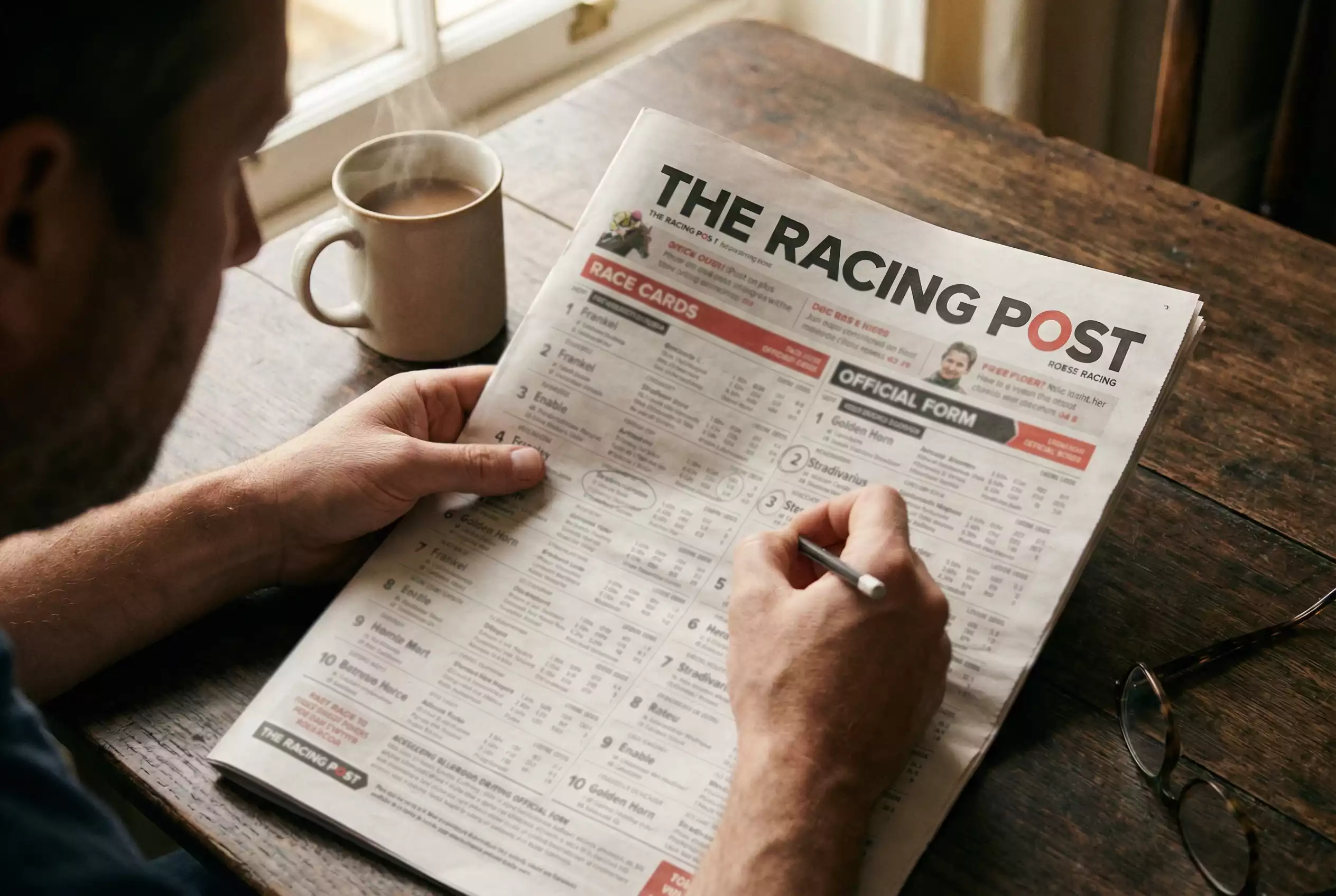
Survey data reveals an uncomfortable truth about Grand National selection. According to OLBG/YouGov research from 2025, 51% of punters choose their horse primarily by name. This approach turns selection into a lottery, abandoning any attempt to identify genuine contenders. While name-based picking may suit those seeking pure entertainment, anyone pursuing profitable returns needs a more systematic method.
The Data-Driven Alternative
Form analysis begins with identifying horses whose recent performances suggest Grand National readiness. Runners coming off strong Cheltenham Festival campaigns bring proven fitness and competitive edge. However, the timing creates a dilemma. Horses who ran hard at Cheltenham may peak before Aintree arrives three weeks later. Those kept fresh for the National lack the race sharpness that Cheltenham provides.
Course form carries significant weight. Prior experience of Aintree's unique fences reduces the learning curve that defeats first-time visitors. Horses who have completed the Grand National course previously, whether in the race itself or the Topham Chase over the same fences, demonstrate proven ability to handle the specific challenges involved.
Trainer Credentials
The 2025 Grand National crystallised trainer significance in dramatic fashion. Willie Mullins saddled Nick Rockett, I Am Maximus and Grangeclare West to fill the first three places, an unprecedented achievement in the modern era. Mullins has now won three Grand Nationals, having previously scored with Hedgehunter in 2005 and I Am Maximus in 2024. His dominance at Aintree extends beyond the main event. During the 2024 Festival, Mullins-trained runners claimed eight victories and accumulated more than 1.5 million pounds in prize money according to Great British Racing.
The Mullins phenomenon represents the extreme end of a broader Irish advantage. Gordon Elliott, Henry de Bromhead and other leading Irish trainers regularly place runners in Grand National contention. British yards have struggled to compete at the elite level, though handlers like Dan Skelton and Lucinda Russell maintain strong Aintree records.
A Practical Selection Framework
Grand National Selection Checklist
- Price between 7/1 and 25/1
- Weight allocation 10 stone 13 pounds or less
- Trainer with proven Grand National or Aintree Festival form
- Prior Aintree experience (race or course)
- Recent form indicating current wellbeing
- Stamina proven over three miles or further
- Clean jumping record at demanding fences
Applying this framework narrows the 34-runner field to a manageable shortlist of genuine contenders. From there, each-way stakes across two or three selections spreads risk while maintaining meaningful return potential. This method abandons the romance of single-horse conviction in favour of probability-based distribution, acknowledging that even well-reasoned selections lose more often than they win in a race this competitive.
Beyond the Big Race: Aintree Festival Betting
The Grand National dominates public attention, but the three-day Aintree Festival offers extensive betting opportunities across Grade 1 contests, competitive handicaps and Festival trials. Strategic punters treat the supporting card with equal seriousness, recognising that smaller-field races often provide clearer betting propositions than the main event.
Thursday: Opening Day
The Aintree Hurdle headlines Thursday's card. This Grade 1 contest over two miles and four furlongs attracts Champion Hurdle contenders seeking an end-of-season target. The race is run on the Mildmay Course, a tighter circuit than the Grand National track, requiring different attributes from its participants. Willie Mullins has dominated recent renewals, his stranglehold on Jump racing extending far beyond the National itself. In 2024, Mullins became the first Irish trainer to claim the British National Hunt champion trainer title in 70 years, since Vincent O'Brien in 1954.
Friday: Ladies Day
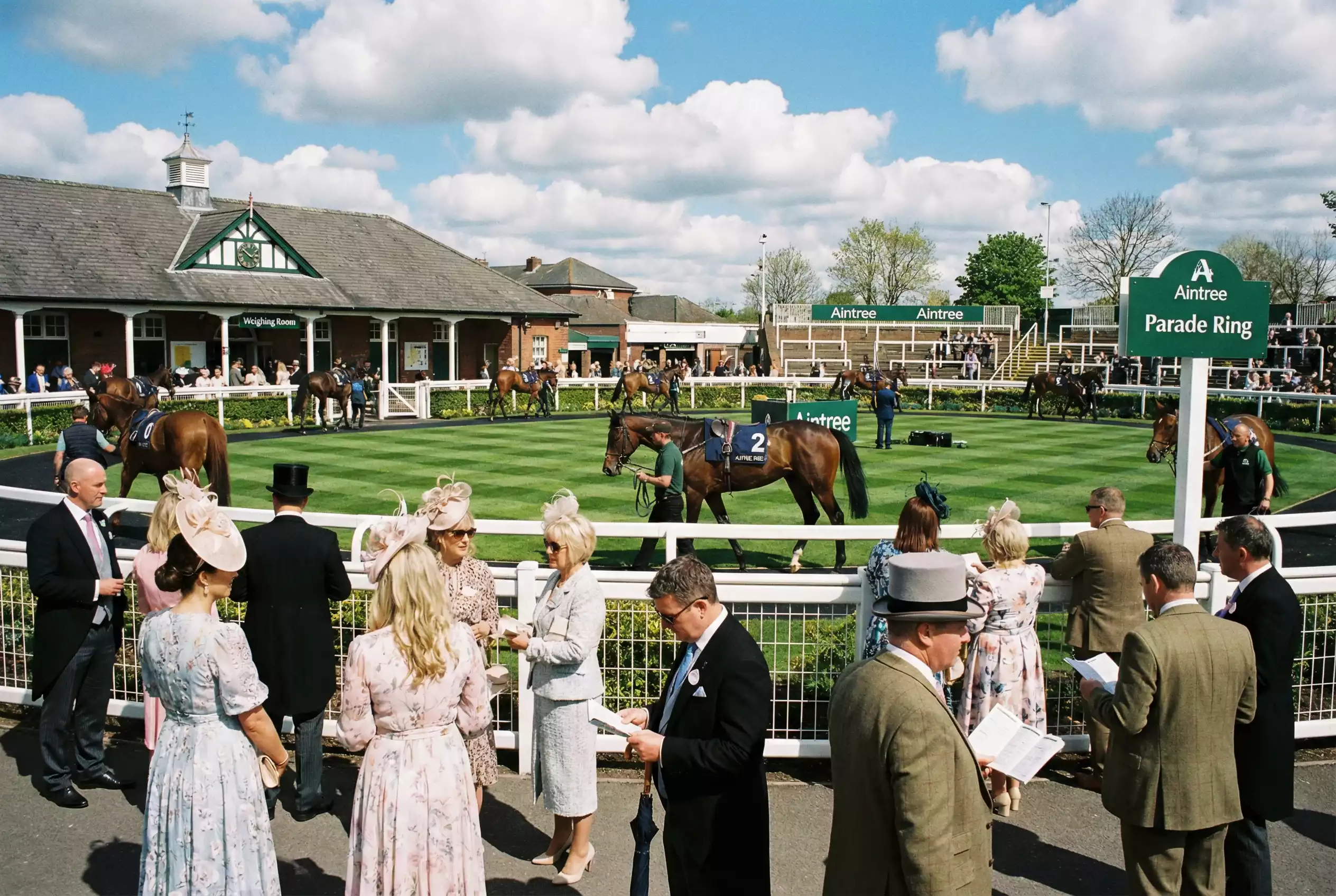
Friday combines fashion spectacle with high-quality racing. The Melling Chase, run over two miles and four furlongs, provides the Grade 1 centrepiece. Speed is paramount here, with horses who thrive at two miles finding this intermediate trip within their compass. The Topham Chase offers particular betting intrigue. Run over the Grand National fences at two miles and six furlongs, the Topham serves as the ultimate course trial. Horses who handle these obstacles convincingly enter subsequent Grand National calculations with enhanced credentials.
Ladies Day historically attracts the largest single-day attendance of the Festival. The fashion element brings audiences beyond typical racing crowds, though the betting handle reflects this casual attendance with numerous small-stake wagers across the card.
Saturday: Grand National Day
The Betway Bowl precedes the Grand National on Saturday's card. This Grade 1 chase over three miles attracts high-class staying chasers, often including horses who contested the Cheltenham Gold Cup three weeks earlier. Form from Cheltenham provides the primary guide, though fatigue and ground preferences create variables that complicate straightforward form translation.
The supporting races on Saturday tend to attract less attention from casual punters laser-focused on the National. For form students, these overlooked contests can offer value in thinner markets where recreational money distorts prices less than in the headline event.
Multi-Race Betting Considerations
Accumulators spanning Festival races offer substantial headline returns but carry correspondingly high failure rates. Each additional leg compounds probability against you. A four-horse accumulator where each selection has a 25% chance of winning produces an overall success probability of approximately 0.4%. Treating multiples as entertainment rather than investment preserves bankroll for more sustainable betting approaches. Lucky 15 and Lucky 31 structures mitigate total loss by including single and combination returns, though the mathematics still favour the bookmaker across meaningful sample sizes.
Building a Grand National Betting Strategy
Effective Grand National betting combines trend analysis with disciplined stake management. The chaotic nature of the race punishes overconfidence while rewarding punters who spread risk across multiple selections with appropriate position sizing.
Bankroll Allocation
Set your Grand National budget before the weights are published. This figure should represent money you can lose without financial discomfort. The recreational nature of Grand National betting works in your favour here. Survey data shows that 43% of punters planning to bet on the 2026 race intend to stake less than ten pounds. There is no shame in modest stakes. The event delivers entertainment value regardless of stake size, and the probability of any individual selection winning remains approximately 3% or lower across most of the field.
Divide your budget across multiple selections rather than concentrating on a single horse. Each-way bets on three or four runners at varying odds spread risk while maintaining exposure to meaningful returns if any selection places or wins.
Each-Way Value Hunting
With 74-75% of Grand National bets placed each-way, the place market drives real returns for most punters. Maximise place terms by selecting bookmakers offering five, six or seven places rather than the industry standard four. The difference matters most on outsiders where finishing seventh would otherwise produce complete loss rather than partial return.
Target horses in the 14/1 to 25/1 range for primary each-way positions. At these odds, the place fraction returns meaningful money without requiring improbable 100/1 miracles. A five-pound each-way bet on a 20/1 shot with a bookmaker paying five places at one-quarter odds returns £30 for a fifth-place finish, transforming a near-miss into tangible profit.
Avoiding Common Pitfalls
The favourite fixation claims victims every April. Backing the market leader because they top the betting makes no more sense than backing the horse with the most appealing name. Both approaches abandon analysis in favour of convenience. Favourites win one in five Grand Nationals. An 80% failure rate should calibrate expectations accordingly.
Economic pressures affect betting behaviour heading into the 2026 renewal. Survey data indicates 30% of Grand National bettors plan to wager less than in previous years due to inflation and cost-of-living concerns. This restraint reflects sound financial judgement rather than diminished enthusiasm. Adjusting stakes to match current circumstances demonstrates precisely the discipline that separates sustainable punters from those who chase losses into genuine harm.
Pre-Race Preparation
Complete your selections before Grand National morning. Market movements in the final hours reflect late money from well-informed sources, but they also create panic and second-guessing that rarely improves original analysis. Write down your selections, place your bets with chosen bookmakers, and resist the temptation to add impulsive wagers as post time approaches.
The goal is not to predict an unpredictable race perfectly. The goal is to make informed decisions, manage risk appropriately, and enjoy the spectacle regardless of outcome. Grand National betting at its best combines entertainment with engagement, turning passive viewing into active participation without endangering financial wellbeing.
Betting Responsibly on Grand National Day
The Grand National attracts millions of recreational bettors, many of whom wager rarely outside this single annual event. This occasional participation carries both benefits and risks. The festival atmosphere encourages entertainment-focused betting, but the excitement can also overwhelm normal judgement.
The Licensed Operator Advantage
Betting with licensed UK operators provides protections that unlicensed alternatives cannot match. According to Betting and Gaming Council research, the UK black market in gambling is estimated at 4.3 billion pounds annually. For the Grand National specifically, industry analysis suggests approximately 10 million pounds flows to unlicensed operators.
"The Grand National is one of the precious few sporting events in this country with the ability to unite the entire nation around a single spectacle," stated Grainne Hurst, CEO of the Betting and Gaming Council. "It is the nation's punt, and it is being subverted by illegal operators offering illicit gambling to thousands of punters, many of whom are vulnerable to harm."
Licensed bookmakers offer deposit limits, loss limits, reality checks and self-exclusion tools that illegal operators do not provide. They are regulated by the Gambling Commission, subject to compliance monitoring, and accountable for customer protection. Placing bets with licensed operators is not merely convenient; it is the responsible choice.
Setting Limits That Work
Deposit limits prevent impulsive top-ups during the racing action. Set these before Grand National day when calm judgement prevails. Loss limits cap the damage from an unsuccessful afternoon. Time limits remind you when betting has consumed more attention than intended.
Most major bookmakers offer these tools through account settings. Using them is not an admission of weakness. It is recognition that excitement affects everyone, and pre-commitment devices help maintain control when emotions run high.
Support Resources
If betting stops being enjoyable, support is available. GambleAware offers advice, information and referral services through their website and helpline. GAMSTOP allows self-exclusion from all licensed UK gambling operators through a single registration. National Gambling Treatment Service provides free, NHS-commissioned treatment for anyone experiencing gambling harm.
The Grand National should be entertainment, not distress. If the prospect of losing your stake causes anxiety rather than acceptable risk, the responsible choice is to watch without wagering.
Frequently Asked Questions
How does each-way betting work on the Grand National?
Each-way betting divides your stake into two equal parts: one bet on your horse to win, another on your horse to place. For the Grand National, bookmakers typically pay out on the first four, five, six or seven places depending on their promotional terms. The place portion pays a fraction of the win odds, usually one-fifth or one-quarter. If your horse wins, both parts pay out. If your horse places but does not win, you collect only the place portion. With 34 runners and approximately 74-75% of all Grand National bets placed each-way, this approach suits the race's competitive nature and offers better value than straight win bets for most selections.
What is the best strategy for betting on the Grand National?
Effective Grand National betting combines historical trend analysis with disciplined bankroll management. Data shows favourites win only 20% of Grand Nationals, making blind support of market leaders a losing approach. Target horses priced between 7/1 and 25/1, carrying 10 stone 13 pounds or less, trained by handlers with proven Aintree records. Spread your budget across multiple each-way selections rather than concentrating on a single horse. Compare bookmaker place terms, as the difference between four and seven places significantly affects returns on outsiders. Set your budget before race day, complete selections in advance, and treat the event as entertainment rather than guaranteed income.
Which bookmakers offer the best odds for Grand National 2026?
Grand National odds vary between bookmakers, with promotional enhancements creating meaningful differences. Betfred uniquely offers seven places on each-way bets, substantially more generous than the industry standard of four places. Most major bookmakers provide Best Odds Guaranteed policies, ensuring you receive the starting price if it exceeds the price you took. Compare place terms, BOG conditions, and new customer offers before committing significant stakes. The best bookmaker depends on your specific selections. Seven-place terms benefit outsiders finishing toward the back of the places. Enhanced odds promotions benefit specific runners chosen for price boosts. Check multiple operators and place bets where terms most favour your intended selections.
