Grand National Specials and Novelty Bets: Colours, Names and More
The Grand National attracts betting markets that exist for no other race. Beyond win, place, and each-way, bookmakers offer specials that turn the race into a broader entertainment experience. Bet on jockey colours, horse names, nationality of the winner, or finishing position relative to the favourite. These markets transform casual interest into engaged viewing.
Fun bets, serious payouts. The novelty markets aren’t throwaway entertainment. They offer genuine returns for punters who approach them thoughtfully. With 82% of Grand National stakes at £5 or less according to Entain data, these small-stakes markets suit the recreational approach most bettors take.
As OpenBet’s Florian Diederichsen noted regarding the scale of Grand National betting, “With an average win and each way stake being £5.42, any downtime would have risked hundreds of thousands of pounds of lost turnover.” That average stake aligns perfectly with novelty betting, where small wagers on unusual outcomes create entertainment value regardless of analytical rigour.
Colour Markets
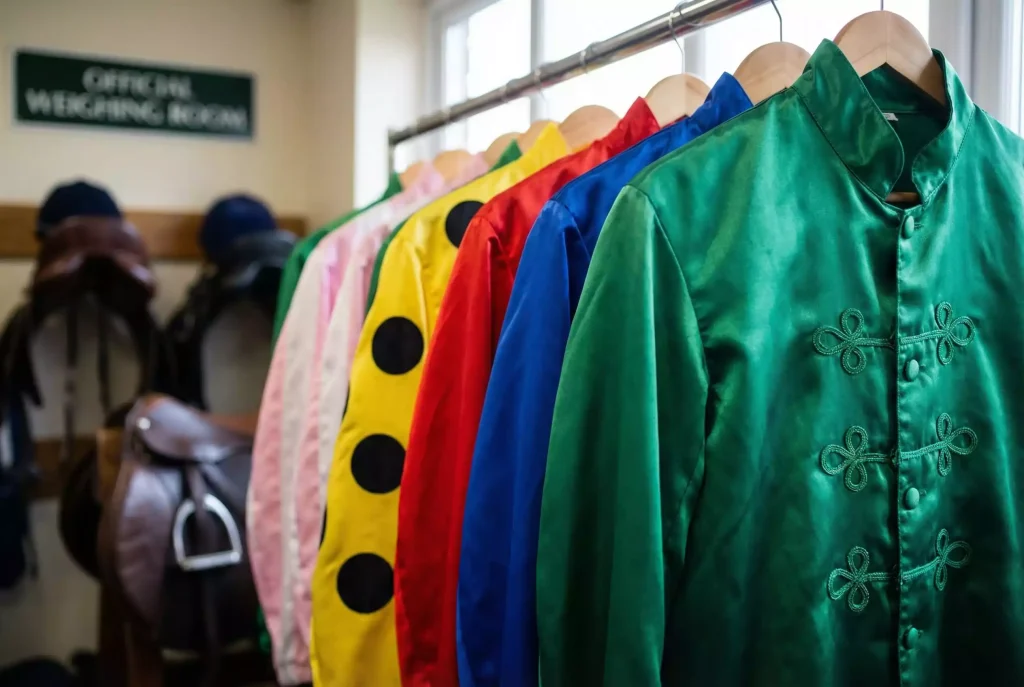
Jockey silks come in every combination imaginable. The Grand National colour markets let you back which colour will be worn by the winning jockey. Green, blue, red, yellow, pink, purple: each carries a price reflecting how many runners wear that colour and their relative chances.
The strategy, such as it exists, involves checking which colours appear on fancied runners. If three of the top five in the betting wear green silks, green becomes more likely to win than a colour worn only by outsiders. The price won’t offer value if the market has already adjusted, but colour betting at least permits some analysis rather than pure guesswork.
Some bookmakers offer colour place markets too. Which colour will finish in the first three? This increases probability and lowers odds accordingly. For punters wanting colour involvement without backing a specific winner, place colours provide lower-risk participation.
Dominant colours tend to be green and blue, reflecting common choices in Irish and British racing. Pink and yellow appear less frequently, which can mean either shorter prices when worn by fancied runners or longer prices when carried by outsiders. Checking the declared runners before betting on colours helps identify where each colour sits in the market.
The appeal of colour betting lies in simplicity. You don’t need to know anything about horses, form, or trainers. Pick a colour you like, place your bet, and watch the race hoping to see that colour crossing the line first. It’s the purest form of entertainment betting, stripped of analysis and embracing chance.
Name-Based Bets
Approximately 51% of Grand National bettors choose their horse based on name alone. Bookmakers recognise this behaviour and offer markets that formalise it. Bet on horses whose names start with a particular letter, contain certain words, or meet specific criteria.
Common name markets include first letter of winner, shortest name to win, longest name to win, and names containing numbers. These markets vary year to year depending on the actual entries. A field with multiple horses named after months might prompt a “calendar name winner” market.
The name-based approach has produced winners. Punters who backed horses because the name resonated personally have collected at huge odds when their random selection won. The Grand National’s unpredictability means name-based selection performs no worse than other methods for casual bettors who lack form knowledge.
Name betting becomes more interesting when combined with cursory research. You’ve decided you like “Moonlight Express” because the name appeals. A quick check reveals the horse has completed the Grand National before, carries a reasonable weight, and comes from a respected stable. The name drew you in; the form keeps you interested. This hybrid approach combines entertainment with minimum effort.
Novelty name markets often carry higher margins than standard betting markets. Bookmakers know these bets appeal to casual punters less likely to shop for value. If you’re betting for fun, that margin matters less. If you’re seeking genuine value, name markets rarely provide it.
Finishing Position Specials
Position specials offer outcomes beyond simply picking the winner. “Betting without the favourite” removes the market leader and pays out on whichever remaining horse finishes first. If the favourite wins, all bets in this market lose. If the favourite fails, the highest-finishing other horse wins.
This market suits punters who believe the favourite won’t win but can’t identify which horse will beat it. Rather than backing multiple each-way outsiders, betting without favourite provides a single stake that covers all non-favourite outcomes. The price reflects the favourite’s expected chance of winning.
Top Irish-trained finisher and top British-trained finisher create nationality-based markets. Given Irish dominance in recent Grand Nationals, the top Irish market typically offers shorter odds than the overall winner market. Top British, conversely, can offer larger prices because British-trained horses have won less frequently since 2015.
Finishing position doubles let you back two horses to finish first and second in either order. If you fancy two horses but can’t separate them, a reverse forecast covers both outcomes. The price is lower than backing either to win outright but higher than backing the same selection each-way.
First horse to fall markets appear at some bookmakers, though these raise ethical considerations about profiting from misfortune. More palatable alternatives include last horse standing from a particular trainer’s team or first horse past a specific fence. These markets engage viewers throughout the race rather than requiring a wait until the finish.
These specials add dimensions to Grand National betting. Instead of a single winner-or-nothing proposition, you can construct positions around scenarios. Maybe you think the favourite won’t win and an Irish horse will. Maybe you believe two specific horses will dominate. Specials let you express these views directly.
Where to Find Specials
Not all bookmakers offer the same range of special markets. The larger operators typically provide more variety because they can manage the associated risks more effectively. Bet365, Paddy Power, William Hill, and Betfair generally offer the widest selection of Grand National specials. Smaller bookmakers might offer basic novelty markets but lack the depth of the major players.
Specials markets often appear closer to race day. While standard win and each-way betting opens months in advance, novelty markets require confirmed runners to price accurately. Expect colour markets, name markets, and finishing specials to appear in the week before the race. Some markets only go live on race morning once final declarations are confirmed.
Betting exchanges like Betfair offer user-created markets that might not exist elsewhere. If enough people want to bet on a specific outcome, someone will create a market for it. These peer-to-peer options sometimes include unusual propositions that traditional bookmakers wouldn’t offer.
Check promotional pages during Grand National week. Bookmakers often create temporary specials as part of their marketing. Enhanced odds on specific colours, money-back if your horse falls at the first, or refunds for certain finishing positions. These time-limited offers add value for punters aware of them.
Social media accounts run by bookmakers frequently announce new specials as race day approaches. Following the major operators on Twitter or checking their apps daily during Grand National week reveals markets that might not appear on the main website navigation. These promotional specials often offer better value than permanent markets because they’re designed to attract attention rather than generate profit.
The specials market exists because the Grand National transcends normal racing. For one day a year, millions of people who don’t usually bet want to participate. Bookmakers provide markets that require no expertise, making the race accessible to everyone willing to have a flutter on something more interesting than picking a name from a list.