Grand National Jockeys: Top Riders to Watch in 2026
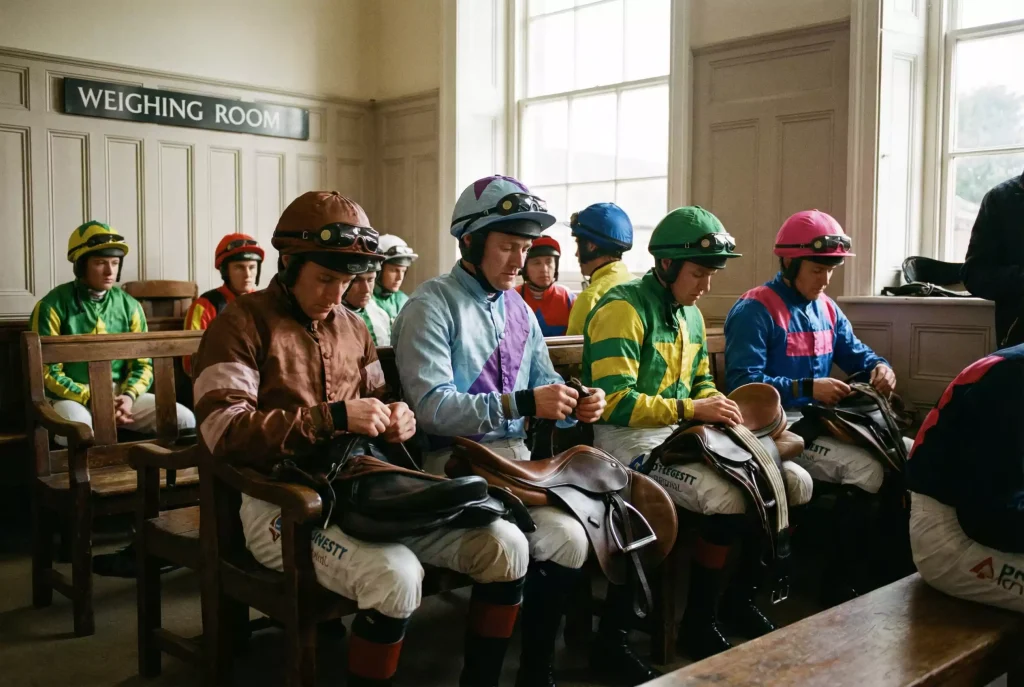
The Grand National asks more of jockeys than any other race in the calendar. Four miles and two furlongs over thirty fences, surrounded by up to 33 other runners, with obstacles that punish poor judgement and reward split-second decisions. Riding in the Grand National requires experience, nerve, and an ability to stay calm when chaos unfolds around you.
The jockeys who excel at Aintree share certain qualities. They conserve their mount’s energy through the first circuit, finding gaps without expending effort fighting for position. They know which fences demand respect and which can be attacked. They understand that the race truly begins after the Melling Road, not before it.
For punters, jockey selection matters more in the Grand National than in shorter races. A horse with ability can be undone by a rider who lacks the experience to navigate Aintree’s unique challenges. Conversely, a skilled pilot can coax a marginal horse to places that exceed its raw ability. Understanding who rides well here shapes informed selection.
Record Holders
The Grand National’s record books include names that have become synonymous with the race itself. George Stevens rode five winners between 1856 and 1870, a total that stood unmatched for over a century. In the modern era, Brian Fletcher (three wins) and Ruby Walsh (two wins) represent the benchmarks against which contemporary riders measure themselves.
Rachael Blackmore’s 2021 victory on Minella Times broke ground that extended beyond statistics. She became the first woman to ride a Grand National winner, a moment that drew 8.8 million television viewers according to Grand National Guide data. The achievement reflected not just her skill but the changing demographics of professional jump racing, where women now compete at the highest level regularly.
Blackmore’s success at Aintree came within a season where she also won the Champion Hurdle at Cheltenham, demonstrating versatility across racing’s varied challenges. Her Grand National ride showed tactical awareness that belied relatively limited experience over Aintree’s fences. She tracked the pace, made smooth progress through the field, and delivered Minella Times at the perfect moment.
Tiger Roll’s consecutive victories in 2018 and 2019 with Davy Russell aboard remind punters that proven partnerships matter. Russell knew the horse’s quirks, understood how to settle him through the early stages, and judged the pace expertly on both occasions. The combination of familiar horse and experienced jockey proved unbeatable across two different renewals of the race.
Records in the Grand National carry weight because the race resists repetition. Winning once requires luck, skill, and a willing partner. Winning multiple times demands consistency of quality that few jockeys sustain over careers filled with variables beyond their control. Those who have achieved it deserve their place in racing history.
Current Top Jockeys
Paul Townend rides as number one jockey for Willie Mullins, a position that guarantees access to the best horses in jump racing. His record at Aintree reflects that quality of mount. Townend combines technical excellence with tactical intelligence, rarely making mistakes when it matters and consistently delivering horses in the places trainers expect.
Townend’s riding style suits the Grand National. He doesn’t panic in traffic, preferring to wait for gaps rather than force them. Over thirty fences, this patience conserves his horse’s energy for the closing stages when others have burned reserves through unnecessarily aggressive early riding. The Grand National rewards jockeys who trust their mounts rather than override them.
Sam Twiston-Davies brings British experience that few can match. The son of trainer Nigel Twiston-Davies, Sam has ridden in more Grand Nationals than most contemporary jockeys and understands Aintree’s fences intimately. His strength lies in getting horses to jump for him, particularly those that might lack confidence elsewhere. A nervous horse often settles in his hands.
Rachael Blackmore remains among the elite despite increasing competition for top rides. Her 2021 Grand National victory was no fluke, as subsequent seasons have demonstrated with consistent Grade 1 success. She rides with a quiet effectiveness that produces results without drama, exactly what the Grand National demands from its participants.
Derek Fox won the 2017 Grand National on One For Arthur and has maintained his reputation as an Aintree specialist. His familiarity with the course extends beyond one winner, with multiple placed finishes demonstrating repeated competence over the unique obstacles. Horses Fox rides at Aintree arrive with a jockey who knows the terrain.
Harry Cobden, Nico de Boinville, and Brian Hughes represent the British contingent most likely to feature on fancied runners. Each brings experience from high-level chasing and has completed Grand Nationals on horses ranging from favourites to outsiders. Their presence in declarations signals trainers who prioritise proven Aintree competence.
Jockey-Trainer Combinations
The most successful Grand National combinations pair horses with jockeys who know them intimately. Paul Townend riding for Willie Mullins represents the dominant partnership in modern jump racing. Townend delivered the historic one-two-three in 2026, riding I Am Maximus to second place while stable companions finished first and third. The understanding between trainer and jockey allows Mullins to trust race execution without micromanaging tactics.
Dan and Harry Skelton offer a British equivalent of stable loyalty. Harry rides virtually everything from his brother’s yard, accumulating knowledge of each horse that outside jockeys cannot match. When a Skelton runner lines up for the Grand National, Harry knows its quirks, preferences, and tendencies. This familiarity translates to confident riding when decisions must be made quickly.
Gordon Elliott’s operation distributes rides across several leading jockeys, with Davy Russell and Jack Kennedy typically taking the primary mounts on Grand National day. This flexibility means Elliott can book the best available jockey for each horse rather than relying on one retained rider. The trade-off is less familiarity, offset by access to elite talent.
Proven partnerships carry weight in selection analysis. A horse returning to Aintree with the same jockey who completed the course previously offers security. The jockey knows what to expect at each obstacle and how the horse responds to Aintree’s demands. New partnerships lack this foundation, introducing uncertainty into an already unpredictable race.
Watch for jockey bookings that signal trainer confidence. When a leading yard secures a top jockey early, it suggests genuine ambition for the horse in question. Late bookings or unfamiliar partnerships sometimes indicate horses making up numbers rather than seriously competing.
Key Bookings for 2026
Jockey bookings for the 2026 Grand National will crystallise as declarations approach. Until then, retained arrangements provide the clearest picture. Paul Townend will ride Willie Mullins’ preferred runner, with the specific horse depending on weights, fitness, and tactical considerations closer to the race. Mullins having multiple entries means Townend’s mount isn’t confirmed until late, but whichever he rides will carry significant market support.
Harry Skelton looks certain to partner the leading hope from Lodge Hill. Dan Skelton has targeted the Grand National aggressively in recent seasons, entering multiple horses with the aim of saddling a winner before other yards. Harry’s commitment to the family operation means no conflict over external bookings will divert his attention.
Freelance jockeys face decisions as declarations approach. Those without retained positions must choose between competing offers, balancing horse quality against trainer relationships. A jockey offered a 20/1 shot from one stable and a 40/1 shot from another must weigh form, course suitability, and long-term implications of declining either ride.
Watch the Racing Post jockey bookings column through February and March. Early confirmations signal serious intent. Horses still without jockeys a week before the race may struggle to attract top talent, as preferred riders will already have commitments. This creates a secondary indicator of which entries are genuine and which are speculative.
For punters, jockey bookings offer information beyond face value. When a leading jockey commits to a horse at 25/1 over an alternative at 10/1, they’re expressing confidence that the longer-priced option has genuine winning prospects. Jockeys see morning work, know how horses feel, and make choices based on information unavailable to the public. Their decisions carry insight worth noting.