
Bowl Chase at Aintree: Three-Mile Grade 1 Betting Guide
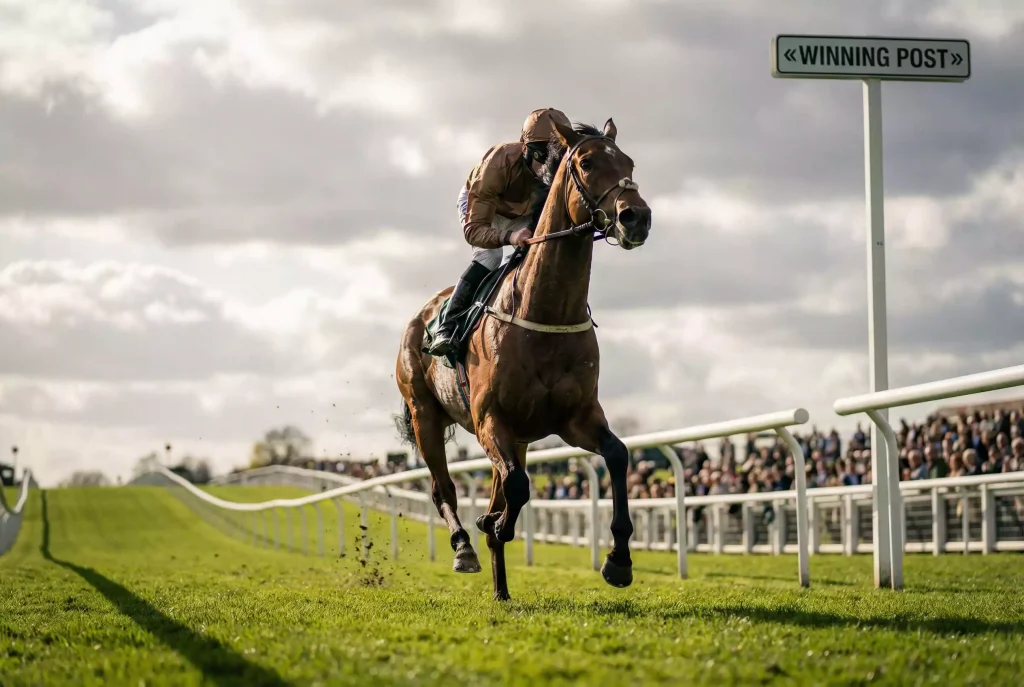
The Bowl Chase provides Saturday’s undercard highlight before the Grand National takes centre stage. This Grade 1 contest over approximately three miles on the Mildmay Course attracts staying chasers seeking to prove themselves at the highest level. Stayers’ Saturday begins here, with horses that might return for the Gold Cup next year or step up to Grand National distance thereafter.
The Bowl often features Cheltenham Gold Cup runners looking to end their season on a winning note or horses that bypassed Cheltenham entirely in favour of fresher Aintree preparation. Understanding which horses arrive ready to race and which are running on fumes separates informed selection from form-book assumption.
This guide profiles the race, analyses Cheltenham form relevance, and identifies betting angles for staying chase enthusiasts seeking value before the main event.
Race Profile
The Bowl covers three miles and one furlong on the Mildmay Course, testing stamina without reaching Grand National extremes. The trip suits horses that handle Gold Cup distance or those stepping up from shorter staying chases seeking to prove they get the trip at the highest level.
Grade 1 status ensures quality fields. The Jockey Club invested £56.9 million in prize money in 2026, with flagship races like the Bowl commanding purses that attract top staying chasers. This investment ensures competitive fields where second-tier runners from major stables compete against first-tier runners from smaller operations.
Field sizes vary depending on Cheltenham Gold Cup outcomes. Some years see tired Gold Cup runners fill the Bowl; other years see fresher horses dominate when established stars take breaks. Predicting field composition before entries helps identify likely market structures.
Ground conditions at Aintree in April typically produce good to soft going. Stayers that have proved themselves on testing ground possess advantage over those whose stamina has been tested only on quick surfaces. The Bowl rewards genuine stayers that get the trip when conditions ask questions.
Gold Cup Form Relevance
Cheltenham Gold Cup form provides the obvious Bowl formline, but three weeks between races creates recovery challenges. The Gold Cup demands everything from horses that contest it seriously. Those that ran their hearts out at Cheltenham may lack the freshness to reproduce that level at Aintree.
Gold Cup winners rarely contest the Bowl. Winning the championship typically concludes a campaign rather than precedes another major target. Gold Cup second and third, however, often appear at Aintree seeking consolation. These horses ran hard without the emotional payoff of victory, potentially creating motivation alongside residual fatigue.
Horses that finished mid-division in the Gold Cup sometimes offer Bowl value. They competed at the highest level without expending maximum effort, arriving at Aintree relatively fresh against rivals that gave everything at Cheltenham. A sixth-placed Gold Cup runner might have more left than a close second.
Horses that bypassed Cheltenham entirely deserve serious consideration. Trainers sometimes keep their best stayers for Aintree when the Gold Cup field looks particularly strong or when ground concerns rule out Prestbury Park. A fresh horse facing tired Gold Cup runners starts with inherent advantage.
The fatigue factor increases when horses have run multiple times at Cheltenham. A horse that contested both the Turners Novices’ Chase and then returned for the Gold Cup has run two hard races in four days. That cumulative toll often proves too much for Aintree freshness, even if the form figures suggest competitiveness.
Key Contenders
Irish-trained stayers dominate the staying chase division. Willie Mullins and Gordon Elliott typically field multiple Bowl contenders, spreading their chances across horses with different profiles and Cheltenham experiences. Identifying which runner each stable considers its primary Bowl hope provides insight into internal assessments.
Mullins’ approach often involves targeting specific horses at Aintree rather than Cheltenham. These fresh runners face rivals that have contested the Gold Cup, creating the freshness advantage that sometimes overrides class gaps. When Mullins runs a horse in the Bowl that skipped Cheltenham, take notice.
British-trained staying chasers from Nicky Henderson, Paul Nicholls, and the Skelton operation compete annually with variable success. Home advantage and specific Bowl preparation can offset quality differentials against Irish raiders. British trainers sometimes target the Bowl specifically when their horse’s profile doesn’t suit Gold Cup conditions.
Previous Bowl winners returning deserve respect. A horse that has won the race has demonstrated Aintree suitability and the ability to perform after Cheltenham. Repeat winners are rare but returning champions often place. Course form at this level provides genuine insight.
Watch for improvers from handicap company stepping up. A horse that won the Ultima Handicap Chase at Cheltenham has proved stamina and big-race temperament. Whether handicap form translates to Grade 1 level remains the question, but some horses make that jump and provide value when the market doubts them.
Betting Recommendations
At the Cheltenham Festival, favourites won 33% of races, outperforming general jumps racing averages. The Bowl’s Grade 1 status and smaller fields might produce similar favourite success rates, but backing short prices remains high-risk when two-thirds of favourites lose. Opposing obvious favourites while covering them in combinations balances risk appropriately.
Each-way value in the Bowl depends on field size. Larger fields paying three places reward each-way approaches on improvers; smaller fields paying two places reduce that value. Check the final field before committing to betting structure. A twelve-runner Bowl offers different value calculations than a six-runner renewal.
Freshness should weight heavily in Bowl selections. Prioritise horses that either skipped Cheltenham or ran without maximum effort there. A horse at 8/1 that arrives fresh might offer better value than a 3/1 shot that ran its heart out in the Gold Cup three weeks earlier. The recovery window simply isn’t long enough for horses that gave maximum effort at Prestbury Park.
Consider the Bowl within the context of Saturday’s betting. Many punters save their powder for the Grand National, paying less attention to the supporting card. This can create value in the Bowl market where casual money doesn’t flow as heavily as it does into the main event. Serious racing students find opportunities where casual interest wanes.
Trainer confidence signals matter. When a major stable runs its second-string in the Gold Cup but its first choice in the Bowl, that decision reflects assessment of where each horse’s best chance lies. Follow trainer actions rather than reputation when bookings suggest Bowl targeting over Gold Cup pretensions. Jockey assignments similarly reveal stable priorities.
Ground conditions on the day should influence final decisions. A horse that needs good ground to show its best might struggle if rain arrives during Festival week. Conversely, a proven mudlark gains advantage when testing conditions develop. Check forecasts and adjust selections accordingly rather than assuming conditions will favour your original choice.
The Bowl precedes the Grand National by approximately two hours. Winning here creates bankroll for the main event or cushions against Grand National disappointment. Either way, the Bowl deserves attention beyond its role as supporting entertainment. Stayers’ Saturday rewards those who take both races seriously.
Back with conviction when analysis supports selection. The Bowl attracts quality fields where genuine value exists for punters who study form rather than following market leaders blindly. Apply the freshness filter, assess ground suitability, and trust your judgement when factors align. Saturday’s undercard highlight offers its own rewards independent of what follows.