
Becher’s Brook and The Chair: Aintree’s Most Famous Fences
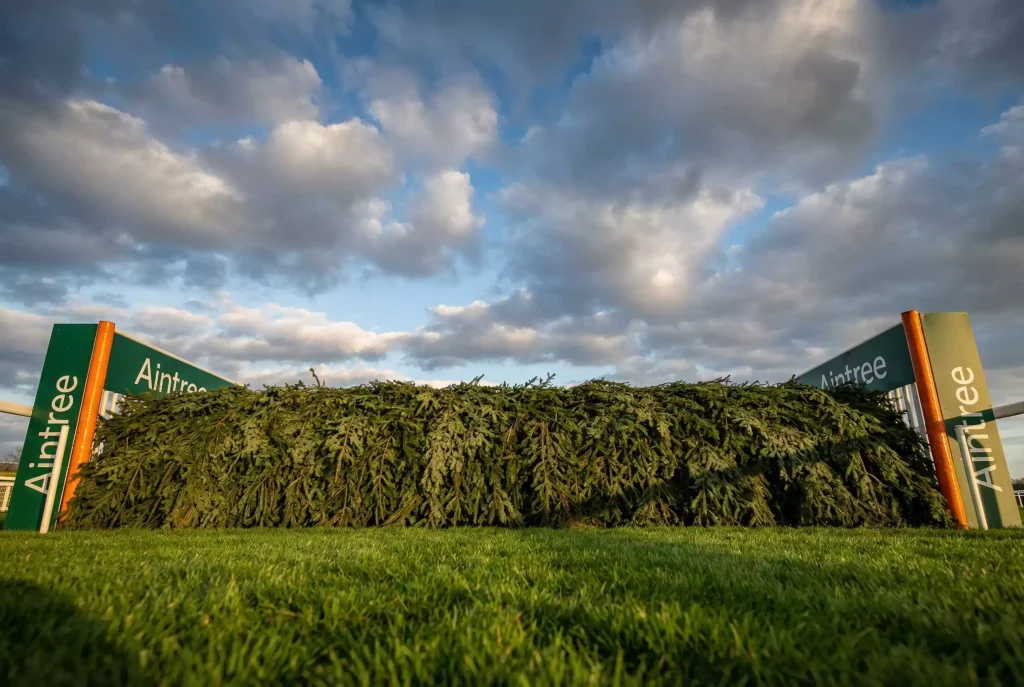
The Grand National’s fences separate this race from every other in jump racing. Thirty obstacles over four miles and two furlongs, each one a test of horse and jockey. Yet certain fences have earned reputations that transcend the course itself. Becher’s Brook, The Chair, Canal Turn. These names carry weight even among people who watch racing once a year. They define what makes Aintree unique.
Understanding these fences helps explain why the Grand National rewards certain types of horses. Bold jumpers thrive here. Horses that hesitate or lose confidence mid-race often come to grief at obstacles that punish indecision. The course rewards bravery, accuracy, and an ability to recover from imperfect jumps.
The fences that make legends also end campaigns. A mistake at Becher’s on the first circuit can leave a horse too far behind to recover. A fall at The Chair eliminates a contender before the race has truly begun. These are the obstacles that every Grand National runner must negotiate, and they filter the field in ways that flat racing and conventional steeplechasing never do.
Becher’s Brook
Becher’s Brook is fence six on the first circuit and fence twenty-two on the second. Its notoriety comes from the landing side: a drop that catches horses out if they don’t expect it. The ground falls away beyond the fence, meaning horses land lower than they took off. This isn’t intuitive for an animal travelling at speed, and first-time Grand National runners sometimes struggle to adjust.
The fence takes its name from Captain Martin Becher, a jockey who fell at this obstacle during the 1839 Grand National and reportedly took shelter in the brook to avoid the rest of the field galloping over him. The brook itself no longer runs with water during the race, but the name and the reputation persist.
Modifications over the decades have softened Becher’s without removing its character. The landing area has been levelled, reducing the severity of the drop from what it was in previous generations. The take-off and landing surfaces have been improved for consistency. These changes make Becher’s safer while maintaining its status as a defining obstacle.
Horses that jump Becher’s well tend to be bold, front-foot jumpers who attack their fences. Those that get in close and pop over sometimes struggle with the landing. The ideal approach combines speed, accurate measuring of the obstacle, and confidence on the landing side. Jockeys who know Aintree often aim to arrive at Becher’s in a good rhythm, neither too tight nor too far off the fence.
On the second circuit, Becher’s claims more victims. Tired horses lose the sharpness that carried them safely round the first time. Concentration wavers. A fence that posed no problem twenty minutes earlier becomes treacherous when fatigue sets in. Many Grand National hopes have ended at the twenty-second fence with the finish in sight.
The Chair
The Chair is fence fifteen, the final obstacle on the first circuit. It stands 5 feet 2 inches tall, making it the highest fence on the course. The ditch in front measures 6 feet wide, the broadest on the circuit. Horses must clear both height and distance in a single jump, making The Chair the most physically demanding single obstacle at Aintree.
Unlike most Grand National fences, The Chair is jumped only once. The second circuit bypasses this obstacle, routing runners around it to avoid adding another maximum-effort jump to an already exhausting race. This single-jump status adds pressure. Horses don’t get a second chance to learn from mistakes. They either clear it cleanly or they don’t.
The Chair’s position in front of the stands means falls happen in view of the largest crowd concentration. The television cameras linger here, capturing the moment when horses either soar over or come to grief. For viewers, it’s often the most dramatic moment of the first circuit.
Jockeys treat The Chair with respect but not fear. The fence is imposing but fair. It doesn’t trick horses the way a drop landing can. It simply demands a big jump. Horses that have the scope to clear it do so. Those that arrive tired, unbalanced, or misjudging their stride find it unforgiving.
Historically, The Chair has caused fewer problems than its reputation suggests. Its size means jockeys prepare for it, giving their horses time to see the fence and measure their approach. Becher’s, with its hidden drop, catches more runners unaware. The Chair’s drama is visual rather than statistical.
Canal Turn
Canal Turn is fence eight on the first circuit and fence twenty-four on the second. What makes it distinctive isn’t the fence itself but what comes immediately after: a ninety-degree left turn. Horses must jump, land, and immediately change direction while travelling at speed among a field of competitors.
The tactical complexity of Canal Turn rewards experienced jockeys. Those who know Aintree position themselves on the inside approaching the fence, allowing them to cut the corner and maintain momentum through the turn. Jockeys caught on the outside must swing wide, losing ground and expending energy on a longer route.
Falls at Canal Turn often result from horses being carried wide by others or finding themselves unable to negotiate the turn after landing awkwardly. The fence itself is not especially difficult. The turning is. A horse that lands perfectly but then has nowhere to go because runners have closed the space can find itself stopped or worse.
On the second circuit, the field is more strung out, making Canal Turn easier to navigate. Fewer horses means less traffic and more room to find a racing line through the turn. Leaders have particular advantage here; they can dictate the turn without having to account for others.
Other Notable Fences
Foinavon, fence seven and twenty-three, carries its name from one of the Grand National’s most extraordinary moments. In 1967, a pile-up at this fence left almost the entire field stopped or fallen. A horse named Foinavon, so far behind that his jockey had time to navigate the carnage, picked his way through and won at 100/1. The fence was renamed in his honour.
Valentine’s Brook, fence nine and twenty-five, features a brook on the landing side similar to Becher’s. The drop is less severe, but the presence of water after the fence makes sloppy jumping dangerous. Horses that land short risk stumbling on the softer ground near the brook edge.
The Melling Road crossing between fences fourteen and fifteen offers a brief respite. Horses cross a path here, the ground harder and flatter than the rest of the course. Jockeys sometimes use this section to settle horses before approaching The Chair.
The two fences after The Chair, including the first fence of the second circuit, are sometimes underestimated. Horses that have just jumped the course’s tallest obstacle can lose concentration at more straightforward fences. Fatigue compounds this. Several Grand National runners have fallen at these comparatively minor obstacles after navigating bigger tests.
Fence Safety Improvements
Aintree’s fences have evolved considerably over the past two decades. Modifications to Becher’s Brook, changes to fence construction, and adjustments to ground preparation have made the course safer while preserving its essential character. The balance between tradition and welfare shapes how the course is maintained.
One of the most significant changes came with the reduction of the Grand National field from 40 to 34 runners starting in 2026. Fewer horses mean less congestion at fences, particularly on the first circuit when the field is bunched. This alone reduces the risk of horses being brought down by others or finding no room to jump.
The period from 2013 to 2018 saw six consecutive Grand Nationals without a single fatal incident, according to welfare monitoring by racing authorities. This wasn’t coincidence but the result of ongoing course improvements, better veterinary care, and stricter entry requirements ensuring only suitable horses compete.
Modern fence construction uses softer spruce that gives way more readily when horses brush through it. The cores of fences have been modified to reduce the chance of horses getting trapped or hitting unyielding material. Landing areas are prepared to optimal consistency, reducing the risk of horses jarring on hard ground or losing footing on soft.
None of this removes risk entirely. The Grand National remains a test that not every horse will complete. But the race today is demonstrably safer than it was twenty or thirty years ago. Horses that fall are more likely to get up unharmed. Those that tire late in the race are pulled up by their jockeys rather than being pushed to exhaustion. The balance has shifted toward welfare without compromising the race’s fundamental challenge.